
How First Responders Process Trauma with Breathwork Techniques
– und was Du daraus lernen kannst:
Breathwork & Stressbewältigung
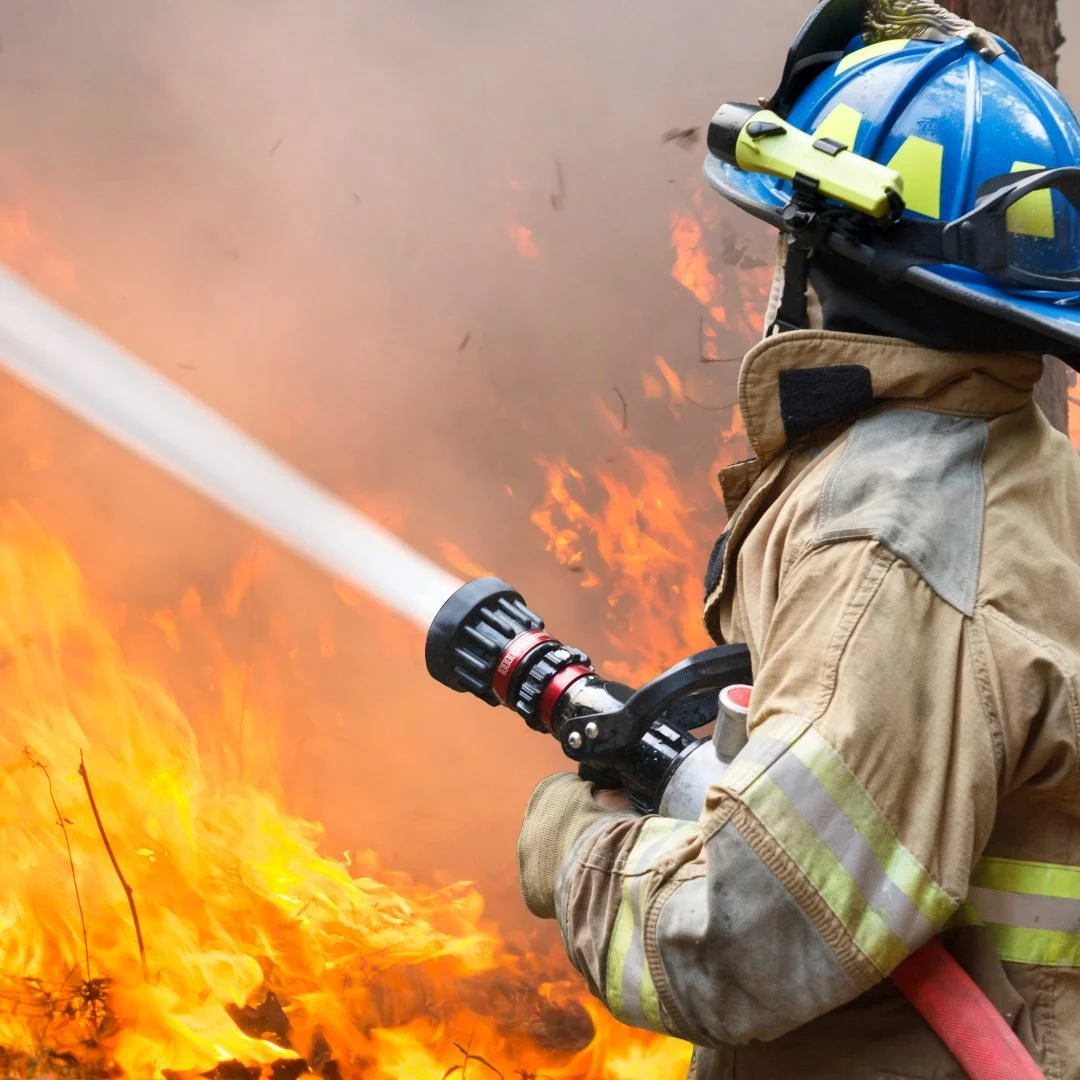
The fire is out.
The patient is stable.
The scene is secured.
For first responders, the chaos on the outside may be over — but on the inside, the body is still running at full speed.
The heart is racing. Muscles are tense. The mind keeps replaying the images.
Women and men in these professions do not simply walk away from emergencies untouched. They carry the weight with them — sometimes for a moment, sometimes for years.
This is where it becomes clear why breathwork has become one of their most powerful tools — not only for first responders, but for anyone who wants to learn how to manage stress and calm the nervous system.

The Hidden Burden: Why Breathwork Works in Trauma Recovery
First responders are trained to stay calm in the middle of a crisis. But what happens when the sirens go quiet?
Exposure to traumatic experiences does not simply disappear — it accumulates.
Studies show:
Repeated trauma can keep the nervous system locked in a stress state — restless, hypervigilant, and unable to truly let go.
Over time, this can lead to exhaustion, anxiety, depression, and burnout — challenges that are also widespread across society.
Breathwork can offer a direct way to interrupt this cycle.
It is not about suppressing trauma, but about giving the body a way to regulate itself again.
For a paramedic after a difficult call or a firefighter back at the station, the breath becomes an anchor — a reminder that safety is possible again.
Ready for a New Mind-Body Feeling? Learn More
Preparation Instead of Overwhelm: Breathwork in Action
What makes breathwork even more powerful is this: it is not only for recovery.
Many first responders use targeted breathing techniques before a stressful situation even begins.
Imagine a paramedic driving through traffic with the siren on.
They know they are about to step into chaos — but they also know this: their performance depends on clarity, not panic.
By focusing on their breathing during the drive, they keep adrenaline in check, calm their thoughts, and arrive more grounded.
This preparation does not erase the weight of what lies ahead — but it creates the inner stability needed to act clearly, stay focused, and remain compassionate in the moments that matter most.
Why Breathwork Works Everywhere — Even in Everyday Life
Another reason first responders rely on breathwork is its accessibility.
It requires no equipment, no yoga studio, and no extra hour in your day.
Breathing techniques can be used in a patrol car between calls, on the way to an emergency, or at night in bed when sleep will not come.
Breathwork helps regulate the nervous system, lowers stress hormones, and allows the body to shift from “fight or flight” into a state of rest and recovery.
This supports not only resilience and mental clarity, but also the ability to make better decisions in the moments that matter most.
“Controlled breathing can trigger the ‘rest-and-digest’ response by stimulating the vagus nerve, which regulates many involuntary functions such as heart rate. When you breathe slowly and deeply to calm yourself, it has a real physiological effect on your nervous system. It’s not just in the mind.”
What You Can Personally Learn from Breathwork Practice
Most of us will never experience the intensity of life-threatening emergencies.
But here’s the truth: the body does not always clearly distinguish between a house fire and a heated argument, between an emergency call and an overflowing inbox.
Stress is stress — and it often shows up in the breath first.
That is why breathwork is not only something to use after stress hits, but also before — to help you enter a situation in a more stable state.
Before an important meeting.
In a difficult conversation.
Before a major life event.
Your breath can ground you just as powerfully as it grounds first responders.
Resilience for Everyone: Why Breathwork Is Universal
The beauty of breathwork lies in its universality.
It builds a bridge between two worlds: the first responder on the front line and the person navigating everyday life.
The firefighter using their breath to steady themselves on the way to a call, and the mother taking a deep breath to stay calm during a hectic morning routine, are both drawing on the same inner resource.
It is a reminder that we cannot always control what is happening around us — but we can always return to the one tool that never leaves us: our breath.
Conclusion: You can regulate your nervous system within minutes.
Whether in the field, at the office, or in family life:
Breathwork works because it directly supports the nervous system.
Ready for your next level of nervous system regulation?